 ...
What is Medical Engineering?
Medical Engineering is a science that combines engineering sciences (mechanical, electrical, electronic, and computer) with biomedical and physiological sciences, where advanced engineering theories and techniques are applied to address, analyze, and solve biomedical problems. This is achieved through the design of appropriate tools and devices to measure and understand physiological and biological systems, and the development of devices capable of treating and managing diseases, which requires studying how these devices operate, their maintenance, and modeling. Medical Engineering greatly enables creativity, development, and invention, due to the diversity of medical fields and the vastness of the physiological systems (the human body) that this field of engineering deals with. It is worth noting that the most sophisticated, advanced, and expensive technologies are used in two fields, one of which is Medical Engineering.
Where does the Medical Engineer work?
The Medical Engineer works in hospitals and clinics to equip them with equipment and devices (after determining the required specifications) and maintain them, as well as in medical companies specialized in manufacturing medical devices, or those specialized in maintaining and selling medical devices, or research centers such as universities (which research the development of medical devices and further analyze, understand, and solve biological problems). The Medical Engineer's work is related to their specialization and field of work, in cooperation with doctors, nurses, and engineers from all specializations.
What is the future need for the Medical Engineer?
The accelerating development of technology, the increase in diseases, and the existence of many medical and technical problems that need solutions lead to a growing demand for Medical Engineers to deal with increasingly complex biological problems, develop the operation of previous devices to obtain better results, and invent new devices that help doctors perform their tasks better and faster. Thus, the need for the Medical Engineer is increasing every day.
Branches of Medical Engineering
1- Bioelectrical Engineering: It is divided into two parts:
First: Bioelectromagnetism.
Second: Bioelectromagnetics.
2- Biomechanical Engineering: It is divided into two parts:
First: Biomechanics, and this science studies the movement and nature of the transfer of biological materials within the human body.
Second: Biotransport, and this science specializes in treating movement disorders in humans.
3- Biomaterials.
4- Tissue, Molecular & Cellular Engineering.
5- Systems & Integrative Engineering.
Biomedical Engineering, also known as Medical Technology Engineering, is the science that specializes in studying the human body from an engineering perspective and can be divided into five main sections as outlined below. It is a link between medicine and engineering sciences (a biomedical engineer must understand the body of a living organism in order to design compatible prosthetics, organs, or medical devices).
Biomedical Engineering is considered one of the newest engineering sciences that emerged with the development of modern medicine. After the doctor alone used to perform all tasks of diagnosis, treatment, and even drug manufacturing, the medical device has become an essential companion for the doctor in diagnosis, treatment, and patient monitoring. Given the urgent need to develop medical devices and equipment to serve patients' health and speed their recovery, it became necessary for specialists from fields other than medicine to intervene in designing these devices, such as electrical, mechanical, and computer engineers, among others. These engineers also had to be familiar with medical sciences including anatomy, human body physiology, and more, in order to understand the mechanism of each system within it and harness their knowledge and specialization to develop these devices. Consequently, the need arose for an engineer who partially understands all these specializations on one hand and can interact with doctors on the other, while noting that they are not a substitute for any of them.
Medical devices are divided into two categories: A- Diagnostic medical devices such as the Ultrasound device. B- Therapeutic medical devices such as chemotherapy and wave therapy devices.
It is commonly assumed that Medical Engineering is limited to medical devices and their maintenance, but there are other fields of Medical Engineering such as hospital management, prosthetics, artificial organs, and others. Medical Engineering harnesses physics, chemistry, mathematics, and the fundamentals of engineering to study biology, i.e., the human body mostly, to reach advanced stages in studying this body and studying the diseases it faces, in order to work on providing better means for good health and helping to treat these diseases.
Other Designations
The name Biomedical Engineering is considered the most common name. There are two other names: the first is Medical Engineering and the second is Bio Engineering. For example, manufacturing a rubber heart valve to control blood pumping is a joint effort between a biomechanical engineer who knows the mechanics of heart function and a medical materials engineer who can select the best materials compatible with the human body. The human heart performs an involuntary mechanical action through the stimulation of an electrical pulse of approximately six volts, where the right ventricle pumps blood to the right atrium in an involuntary movement that the human cannot control. If a defect occurs in the regurgitation valve, the aforementioned rubber valve must be installed to compensate for the defect in the original valve to ensure no circulatory insufficiency occurs.
Biomedical Engineering is also defined as the scientific specialty that applies principles and methods derived from engineering, science, and technology to understand, define, and solve issues and problems of a biological or medical nature. The Biomedical Engineering program focuses on medical electronics that deal with the measurement and processing of medical signals. It also deals with medical devices for diagnostic, monitoring, and therapeutic purposes. The program then aims to graduate engineers with excellent training in the fields of Biomedical Engineering and with sufficient familiarity with biomedical sciences.
Graduates of this specialty work in the following fields:
• As clinical engineers, they can perform the engineering duties required by medical care units, and can cooperate with doctors to design and implement the necessary programs
to raise the level of medical care.
• As specialists in medical devices and experts in medical electronics and computer applications in medicine
• As electrical engineers concerned with devices, measurement, control, and signal processing.
Principles of Medical Engineering:
Fields of activity in Medical Engineering. Research, development, and design for Medical Engineering problems. Disease diagnosis and therapeutic applications. Modeling of templates and integrated systems. Physical, chemical, and biological fundamentals of medical measurements. Sensors for motion, force, pressure, flow, and temperature, biopotential, chemical composition of body fluids, and properties of biomaterials. Patient safety.
Signals and Systems in Medical Engineering:
Models of medical systems. The non-specific nature of medical signals, organ function systems, and quantitative analysis of medical signals. Statistical analysis of measurement data. Frequency response of systems and circuits. Analog-to-digital conversion, sampling system, and signal analysis in discrete time. Medical signal amplifiers, filters, signal analyzers, and display devices. Power sources for medical devices, laboratory and computational experience, and medical applications.
Medical Devices
They are electrical, mechanical devices... that help doctors perform their work to the fullest and help patients recover better, provide complete comfort, and greatly assist in diagnosing diseases, especially tumors inside the body that cannot be detected without these devices.
Examples of Medical Devices
1- Diagnostic devices: MRI machine, CT scanner, X-ray imaging machine, Gamma camera, ultrasound imaging machine, mammography machine (breast X-ray imaging), ECG, EEG, EMG, EOG signal acquisition devices, and others.
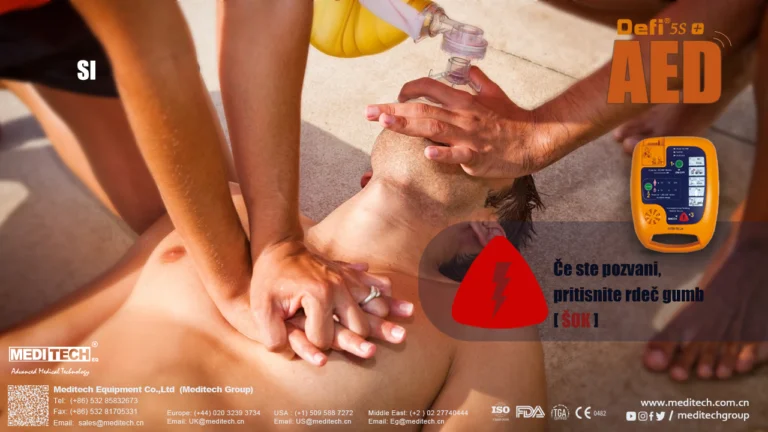
2- Therapeutic devices: pacemaker, defibrillator (electric shock device), medical endoscopes, dialysis machine (artificial kidney), artificial heart, cobalt therapy machine, artificial vessels. And many others...
Electrical safety devices and necessary precautions in medical applications. Electrocardiography, digital and analog analysis of ECG signals, blood pressure measurement, heart sounds, blood flow, and blood volume. Statistical analysis of heart rate and blood pressure measurements. Basic respiratory measurements, principles of laboratory devices. Semester project.
Dental equipment (dental chair and its equipment), imaging and sterilization devices
Cochlear implant device
Heart-lung machine during surgery
Pacemaker
Insulin injection device
Dialysis machine
Medical Imaging Systems:
Physical principles of medical imaging and medical systems: X-ray imaging systems, ultrasound, nuclear imaging, and MRI (magnetic resonance imaging), CT (computed tomography) technology. Principles of tomographic reconstruction: computed tomography for X-rays, PET (positron emission tomography), and SPECT (single photon emission computed tomography).
Introduction to therapeutic and prosthetic devices: Concepts of therapy, rehabilitation, compensation, and support. Therapeutic effects of electric current. Examples of familiar devices: pacemaker and defibrillator. Sensory and communicative aids, neuromuscular stimulators. Physical therapy devices, electric surgical devices. Medical applications of lasers. Ventilators, artificial kidneys, neonatal care, radiation therapy. Safety, reliability, and maintenance in healthcare facilities — definition of safety. Electrical safety, gas safety, and fire safety. How to provide a safe environment for the patient, the medical team, and medical accessories. Reliability in healthcare facilities. Training users for proper use of devices.
Computer Applications in Medical Engineering:
Classification of computer applications in the field of Medical Engineering, available technologies and tools: hardware and software capabilities in computers. Examples of selected applications: medical records system, pharmacy and laboratory information system, office work system, decision support system in clinical analysis, computational diagnostic and therapeutic devices.
Management of Medical Systems:
Responsibilities of the Medical Engineer working in healthcare facilities. Laws, standards, and regulations governing clinical engineering work. Preparing specifications and evaluating bids. Design and arrangement of medical facilities. Selection and evaluation of devices.
Scientific integrity — the content is transcribed
Marketing and selling medical devices, MRI machines, breast radiation imaging devices, ultrasound machines of all models, monitor devices, anesthesia and ventilation devices, central sterilization and plasma sterilization devices, sterilization supplies